Blue Light Glasses: A Complete Guide to Eye Comfort, Better Sleep, and Healthier Screen Use (2025)

Why So Many People in Norway Are Searching for Blue Light Filters — and What Actually Works
Screen use has become one of the biggest sources of eye strain in everyday life. Work, working from home, gaming, phone use, and streaming mean our eyes barely get a break. That’s why searches for blue light glasses, computer glasses, and blue light filters have exploded in Norway in recent years.
But what is blue light, really?
Is it dangerous?
And do blue light glasses actually help?
Here’s a clear, research-based guide to blue light, eye comfort, and better screen habits—adapted to Norwegian conditions.
What is blue light?
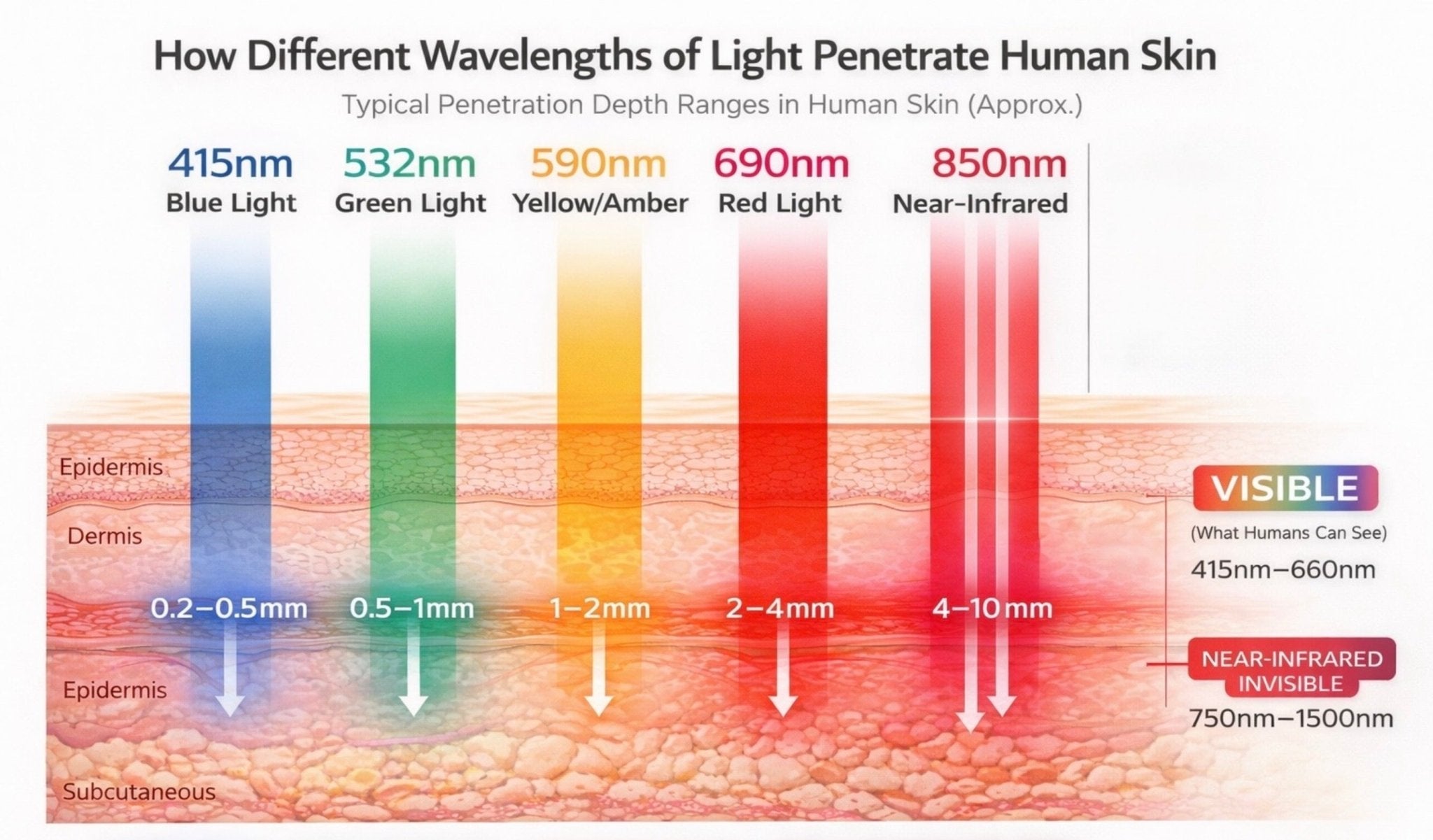
Blue light is light with a short wavelength (380–500 nm) and comes from:
-
The sun
-
LED screens (phone, PC, TV, tablet)
-
Modern indoor lighting
During the day, blue light is useful because it helps keep us awake.
In the evening, however, it can interfere with the body’s melatonin production and make it harder to relax and fall asleep.
That’s why so many people in Norway search for phrases like “blue light glasses sleep” and “is blue light dangerous”.
Is blue light harmful to your eyes?
There’s no evidence that blue light from screens causes permanent eye damage.
Still, both research and real-world experience show that heavy screen use can lead to:
-
Tired eyes
-
Headaches
-
Difficulty focusing
-
Dry eyes
-
Blurred vision
-
Restlessness in the body
-
Poorer sleep
This is often referred to as digital eye strain, and blue light filters may reduce some of that strain.
Why blue light glasses work
Blue light glasses filter out the most intense part of the blue light spectrum, and many people notice a clear improvement in both comfort and sleep. This can lead to:
Less strain in front of screens
Your eyes work less and don’t get overstimulated by bright white/blue screen light.
Better sleep — especially in the evening
Blue light in the evening lowers melatonin. A blue light filter helps the brain switch back into “evening mode.”
Fewer headaches
Reduced light stress often means less pressure and discomfort in the forehead and behind the eyes.
A calmer visual experience
Filtering blue light generally feels more comfortable for both the eyes and the nervous system.
Common symptoms of blue light-related strain
These are typical issues for people with lots of screen time:
-
Irritated eyes
-
Headaches / migraines
-
Tired or fatigued eyes
-
Itchy or red eyes
-
Double vision
-
Difficulty focusing
-
Restlessness before bedtime
If you recognize several of these, you’re likely in the group that may benefit from blue light glasses.
Why choose blue light glasses from Forge
Forge blue light glasses are designed to match the modern Norwegian screen-heavy lifestyle and deliver:
Documented blue light filtering
Based on tested lens technology (certified D-level anti-blue light).
Optimized for Norwegian conditions
A lot of screen time + long dark periods → greater need for eye comfort and sleep regulation.
Three levels of filtering
To cover every situation throughout the day:
-
Clear Daywear — for work, office, and studying
-
Balanced Filter — for afternoons and hybrid use
-
Strong Sleep Filter — for evenings and better sleep
Fits into a longevity lifestyle
Better sleep + less stress = better health, skin, hormone balance, and focus.
8 tips for healthier screen habits
-
Use a blue light filter in the afternoon and evening
-
Follow the 20–20–20 rule (look away every 20 minutes)
-
Blink more often
-
Use “night mode” on your screen
-
Turn down screen brightness
-
Avoid strong reflections in the room
-
Take regular breaks
-
Keep stable sleep routines
Summary
Blue light glasses aren’t a medical miracle, but they can make a big difference in a screen-heavy lifestyle. Less strain, fewer headaches, and better sleep make blue light filters a simple, practical, and effective tool—especially in Norway.